How to Claim 'Home Office' Deductions for Your IT Freelance Business in Dubai
As an IT freelancer in Dubai, many of your home office expenses could be legitimate business deductions, helping to reduce your taxable income.
Setting Up Your Productive Home Workspace
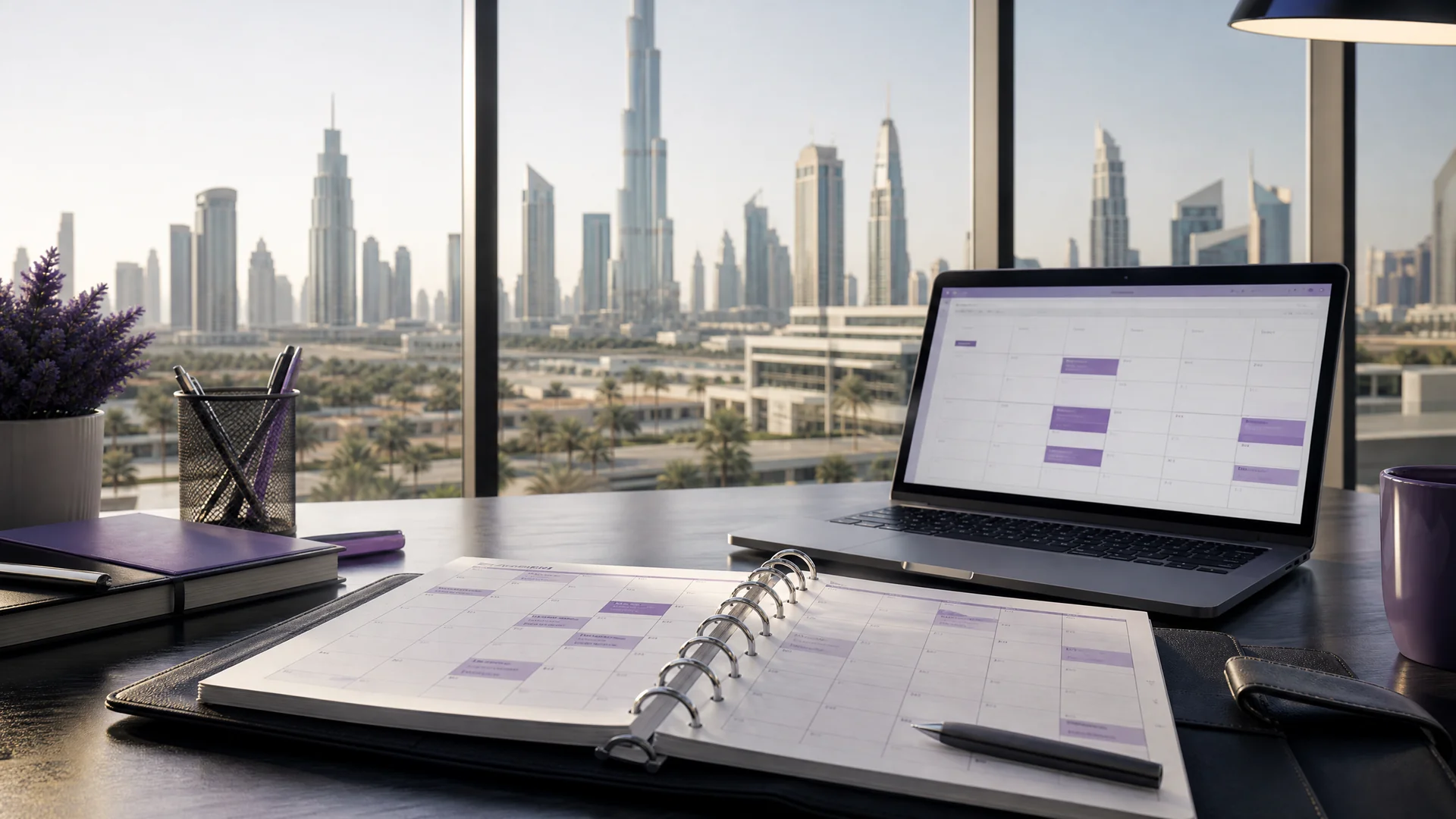
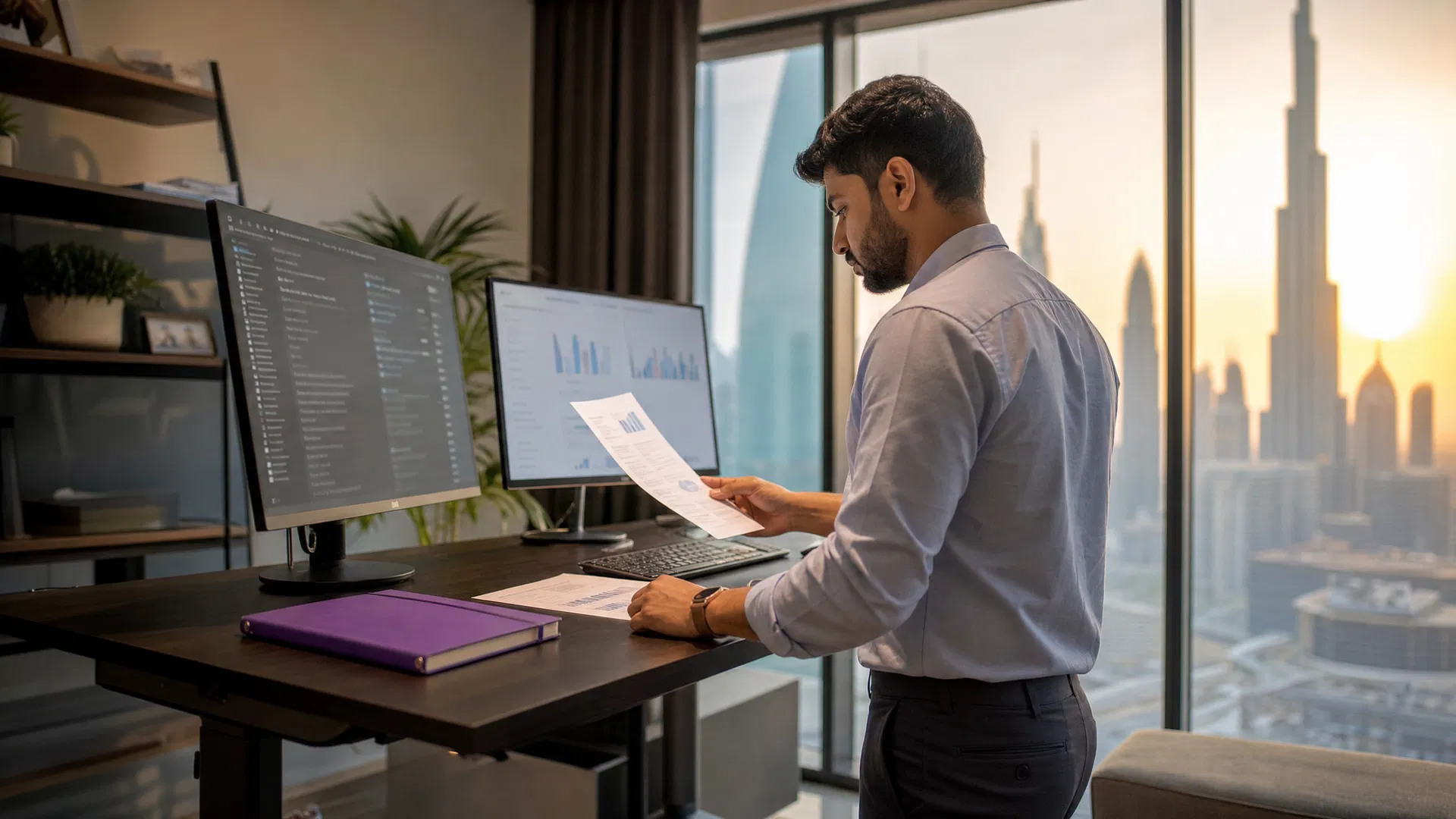
Your home office is more than just a corner of your apartment; it's a dedicated space for your professional operations.
Dedicated Space: For tax purposes, it's beneficial to have a clearly identifiable area primarily used for your business.
Record-Keeping: Meticulous record-keeping of all expenses related to your home office is paramount.
Proportional Use: If you use a portion of your home for business, you'll need to calculate the percentage of your home dedicated to your work.
Maximizing Your Tax Deductions
Under UAE Corporate Tax law, expenses incurred "wholly and exclusively" for the purpose of generating taxable income are generally deductible.
Direct Expenses: These are costs solely for your business: business-specific software subscriptions, professional development courses, and office supplies.
Indirect Expenses (Allocated): These are shared household expenses that can be partially attributed to your business based on the proportion of your home used for work:
- Rent/Mortgage Interest: A percentage of your monthly rent.
- Utilities: A percentage of electricity, water, and gas bills.
- Internet & Phone: A percentage of your home internet and mobile phone bills.
- Maintenance & Repairs: A percentage of costs for maintaining the business portion of your home.
Depreciation of Assets: If you purchase significant assets for your home office (e.g., a high-end computer), these can be depreciated over their useful life, providing annual deductions.
Documentation is Key: The FTA requires robust documentation for all deductions. Keep all invoices, receipts, and a clear record of your calculation for the business-use percentage of your home.
Reinvesting Your Tax Savings
Increased Profitability: By reducing your taxable income, you effectively increase your net profit.
Investment in Tools & Skills: The savings can be channeled into acquiring new software, upgrading hardware, or investing in professional development courses.
Financial Stability: Optimizing your tax position contributes to greater financial stability.
Conclusion
For IT freelancers in Dubai, the home office is a powerful asset, not just for productivity but also for tax optimization. By meticulously tracking expenses and maintaining thorough documentation, you can legally claim significant deductions.
Need expert assistance in identifying and claiming all eligible deductions? Contact Khizr UAE!
WhatsApp: +971 50 428 3999
Email: info@khizruae.com
Disclaimer
The information in this article is for general informational purposes only and does not constitute financial, tax, or legal advice. Tax laws and regulations in the UAE are subject to change, and every business situation is unique. We strongly recommend consulting a qualified accounting professional before making any financial or business decisions. Khizr UAE accepts no liability for any loss or damage arising from reliance on the content of this article.
Need help with your UAE compliance?
Our specialists work exclusively with IT businesses. Book a free consultation and get expert advice tailored to your tech company.